
In a world where fashion often moves at the speed of trends, the saree quietly holds its ground. Six yards of fabric, unchanged for centuries, yet endlessly adaptable. Its beauty lies not only in the weave or the colour, but in the way it can be worn, re-imagined, and interpreted.
A saree does not dictate a single silhouette. It invites experimentation. With a simple shift in pleats, a twist of the pallu, or a reinterpretation of a regional drape, the same fabric begins to tell a completely different story.
This fashion diary explores twelve distinctive saree draping styles—many rooted deeply in regional traditions across India, while others reflect how these traditions continue to evolve with time. Together they show how one saree can move between heritage, culture, and personal style with quiet ease.
- The Classic Nivi Drape
The Nivi style is the most widely recognised saree drape across India. Originating from Andhra Pradesh, it features neatly arranged front pleats and a pallu that falls over the left shoulder. Balanced and graceful, it remains the foundation of modern saree draping.
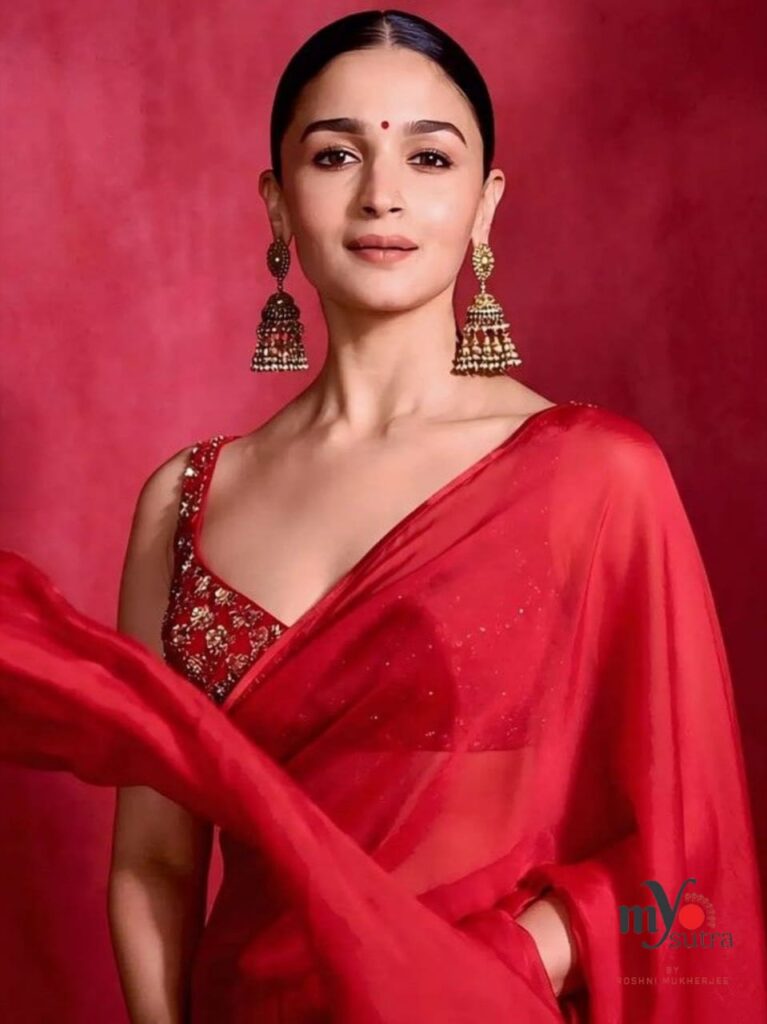
- The Bengali Draping Style
The Bengali drape is instantly recognisable with its wide pleats and free-flowing pallu. Traditionally worn without many pleats at the waist, the pallu is brought around the body and draped over the shoulder again, creating a layered and striking silhouette.
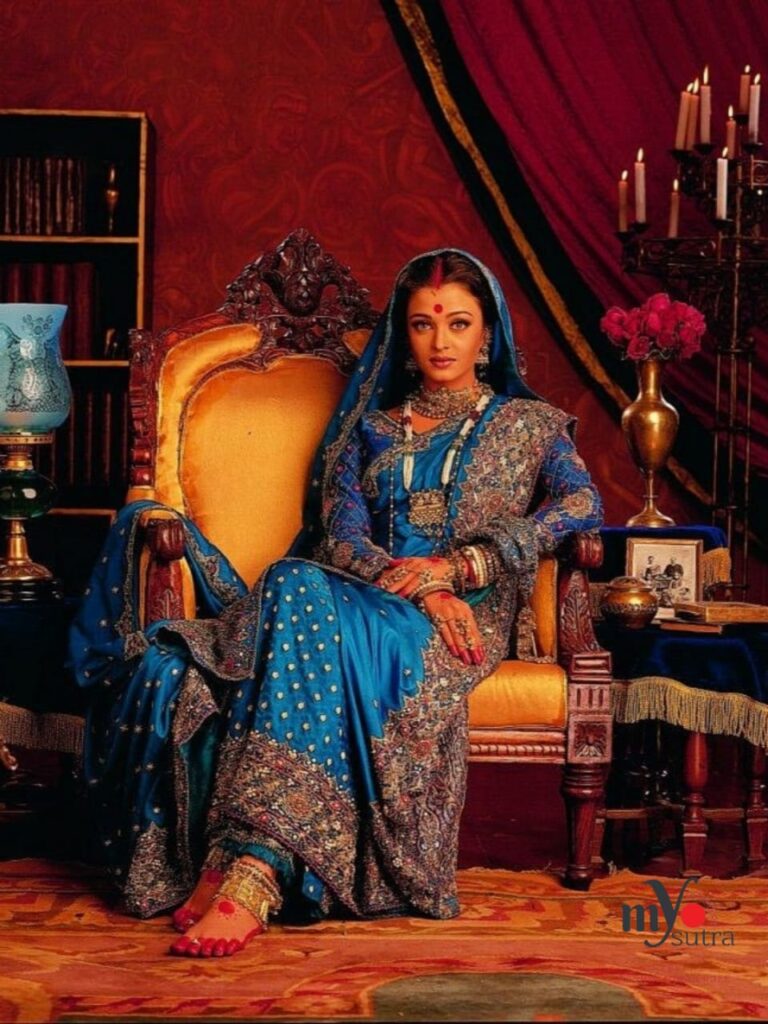
- Gujarati Seedha Pallu Drape
In the Gujarati drape, the pallu is brought from the back and spread across the front of the body. This allows the pallu’s design and embroidery to remain fully visible, making it a favourite for festive occasions and weddings.
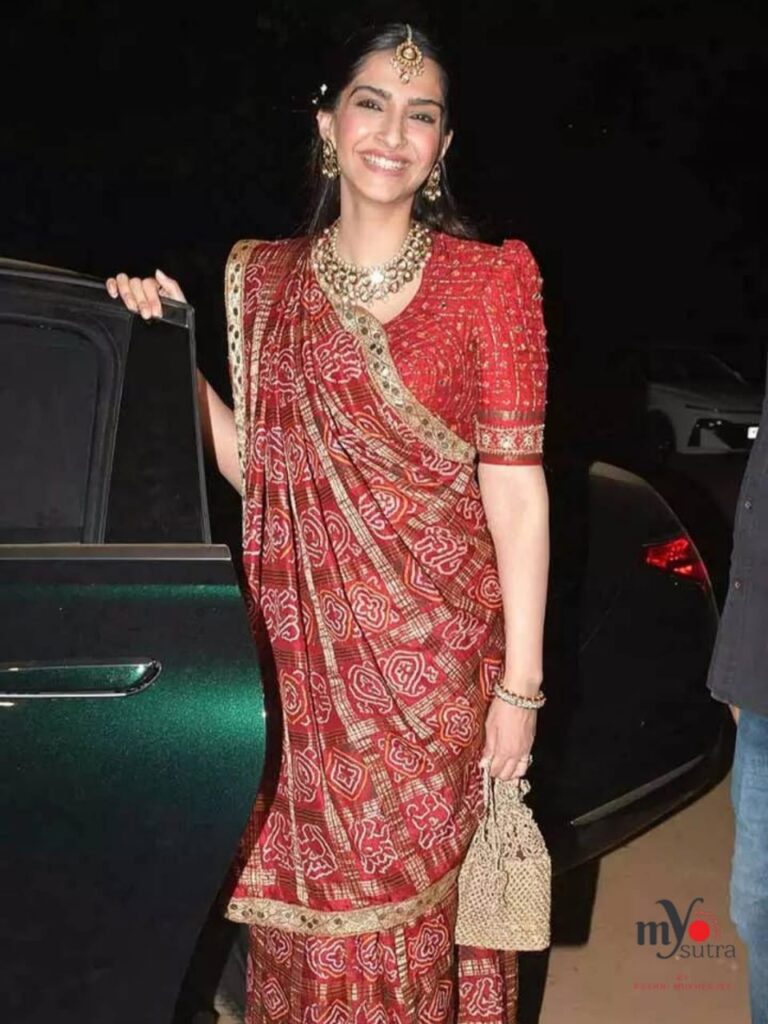
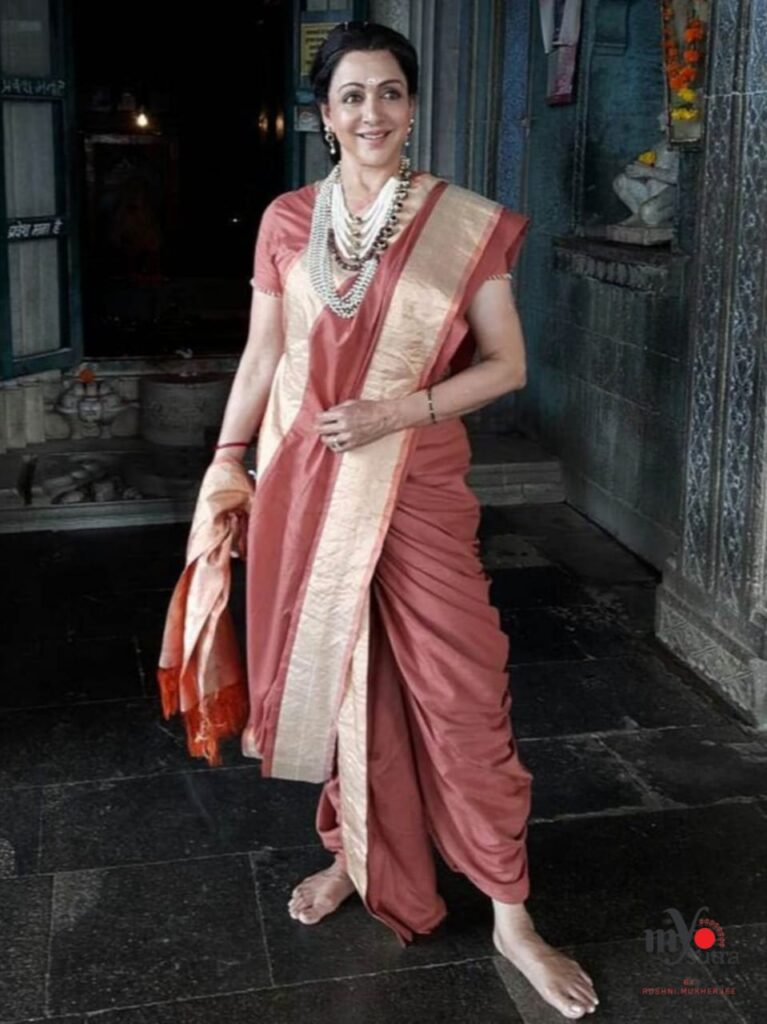
- Maharashtrian Nauvari Drape
The Nauvari saree is worn in a dhoti-like style and traditionally does not require a petticoat. This drape allows ease of movement and reflects both elegance and strength. Historically associated with women warriors and performers, it carries a sense of bold heritage.
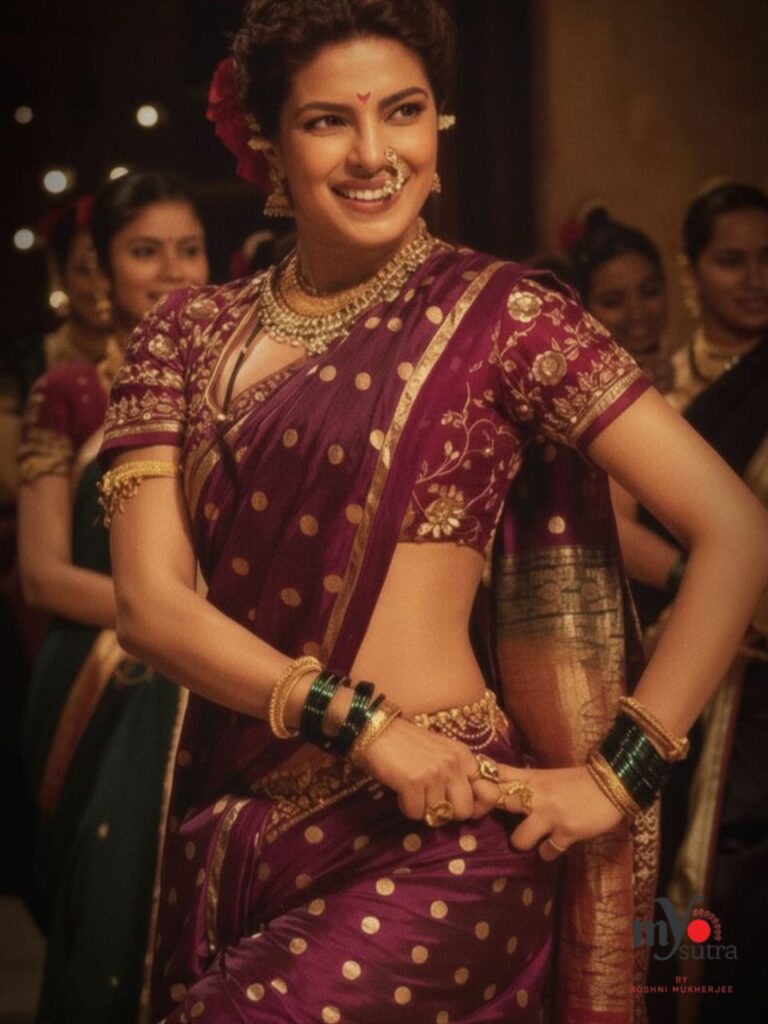
- Madisaru Draping Style
The Madisaru drape, traditionally worn by Tamil Brahmin women, is one of the most intricate saree draping styles. The saree is wrapped in a dhoti-like form with multiple folds and layers. The final look feels both structured and ceremonial, often seen during important rituals and celebrations.
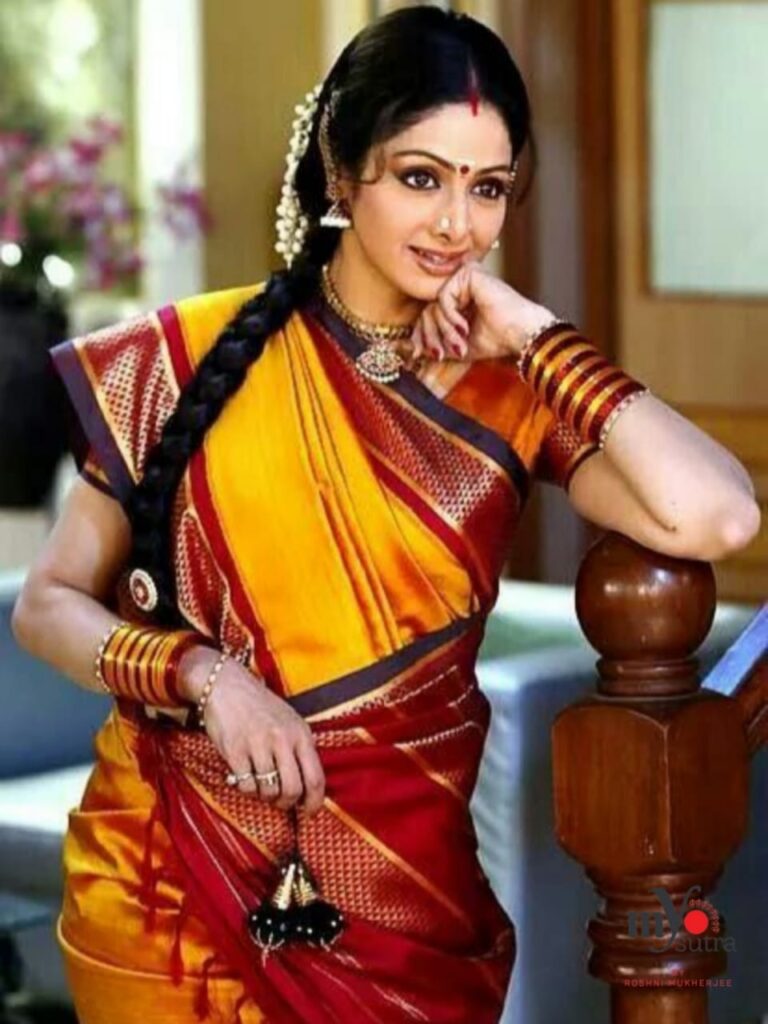
- Mekhela Chador Style
Inspired by the traditional Assamese attire, the Mekhela Chador style adapts the saree into a two-layered silhouette. The lower half is wrapped like a skirt while the upper drape covers the torso and shoulder gracefully, creating a refined and culturally rich appearance.
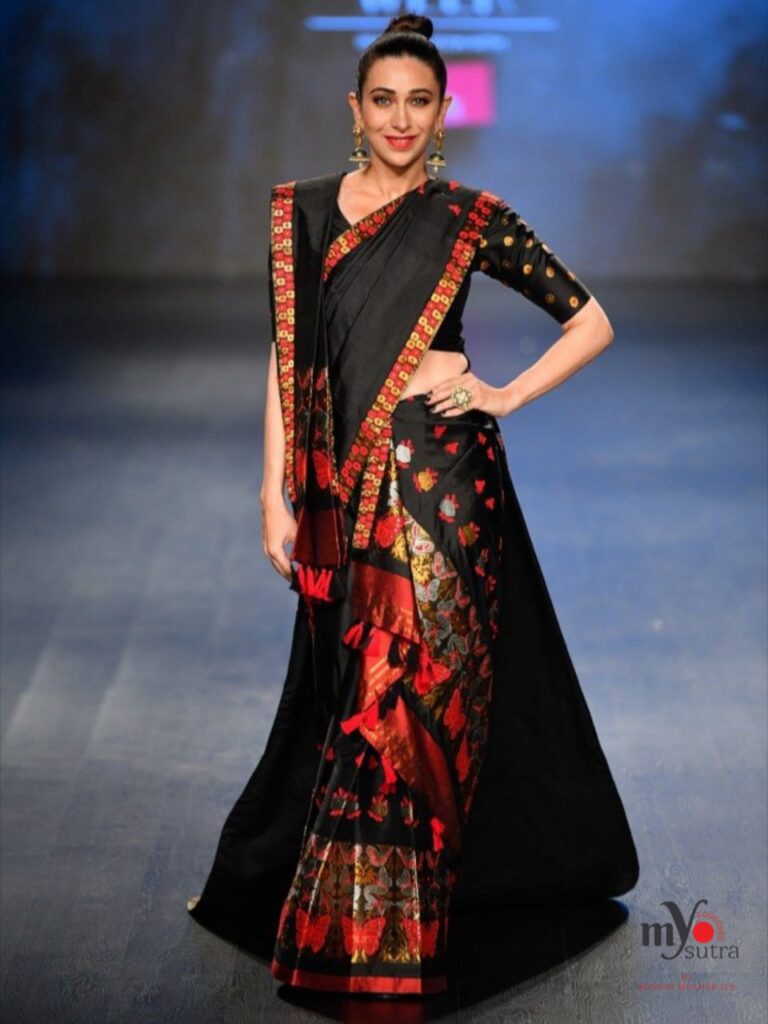
- Santhal Drape
The Santhal drape reflects the simplicity and practicality of the Santhal tribal communities of eastern India. The saree is wrapped comfortably around the body with minimal pleating, allowing freedom of movement. The pallu is usually shorter and practical, creating a look that feels natural and grounded in everyday life.
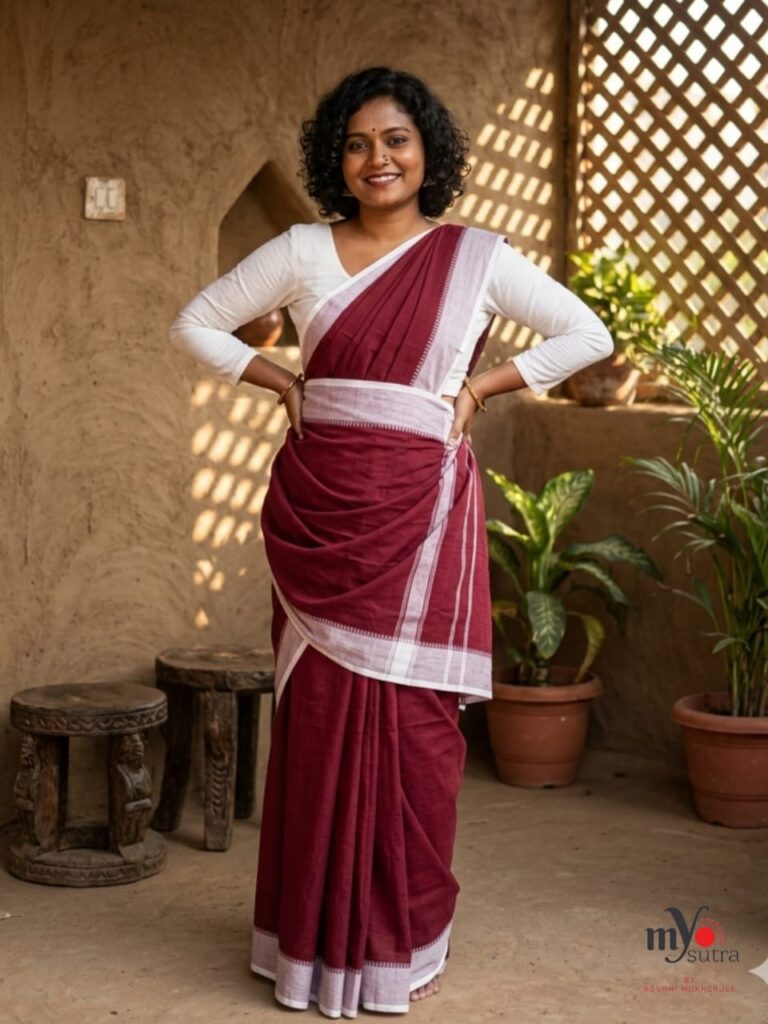
- Coorgi Draping Style
The Coorgi style, from Karnataka, features pleats placed at the back instead of the front. The pallu is brought from behind and pinned neatly over the shoulder. The result is a distinctive silhouette that feels structured yet graceful.
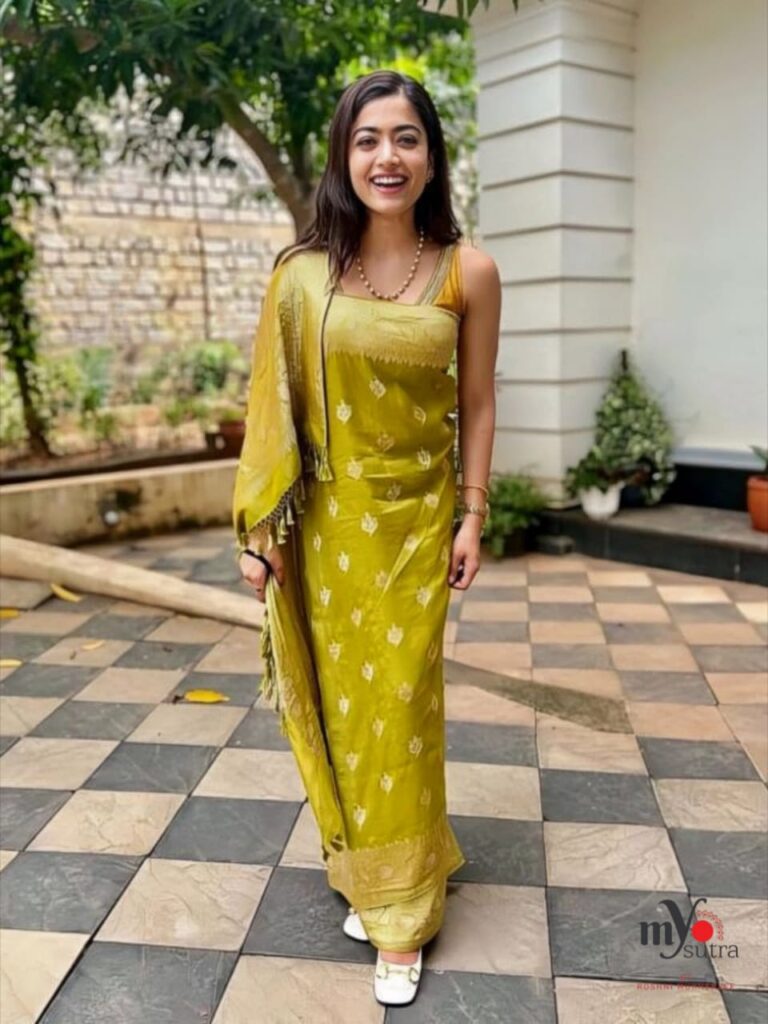
- The Halakki Hold Drape
The Halakki drape, worn by the Halakki Vokkaliga community of Karnataka, is distinctive and expressive. The saree is wrapped tightly around the body with the pallu draped across the torso and sometimes over the head. Often paired with bold traditional jewellery, this drape carries a strong cultural identity and a raw, earthy beauty.
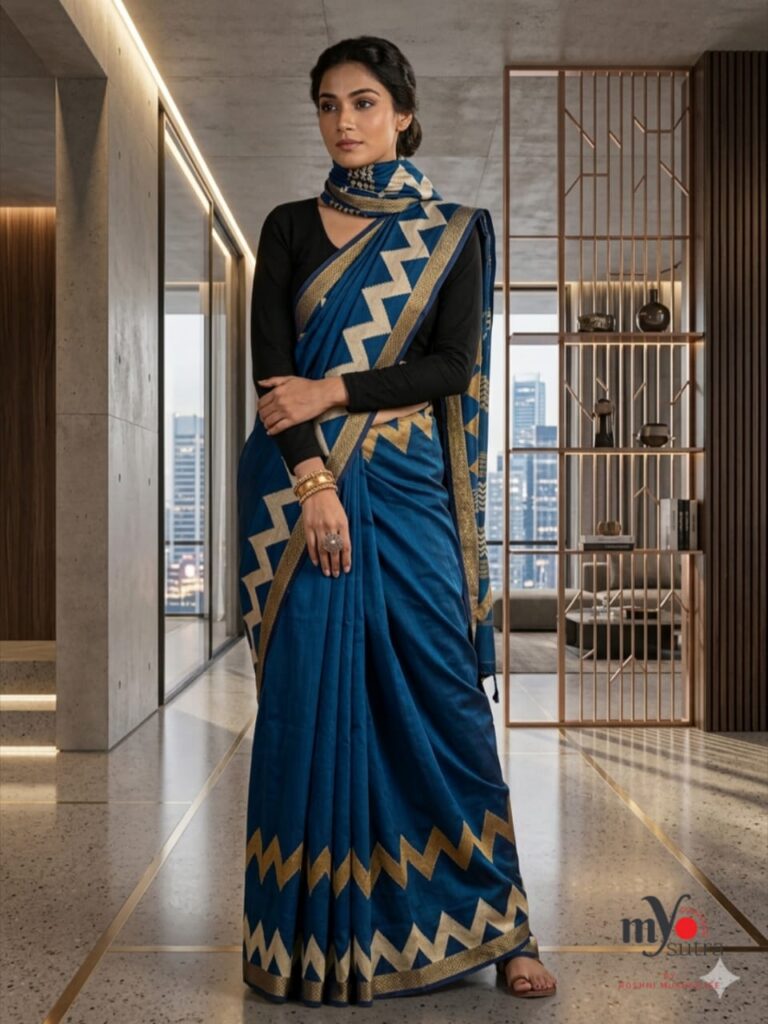
- Scarf Pallu Style
In this drape, the pallu is wrapped softly around the neck like a scarf before falling naturally. This small change transforms the saree into a relaxed and contemporary look while maintaining its traditional base.
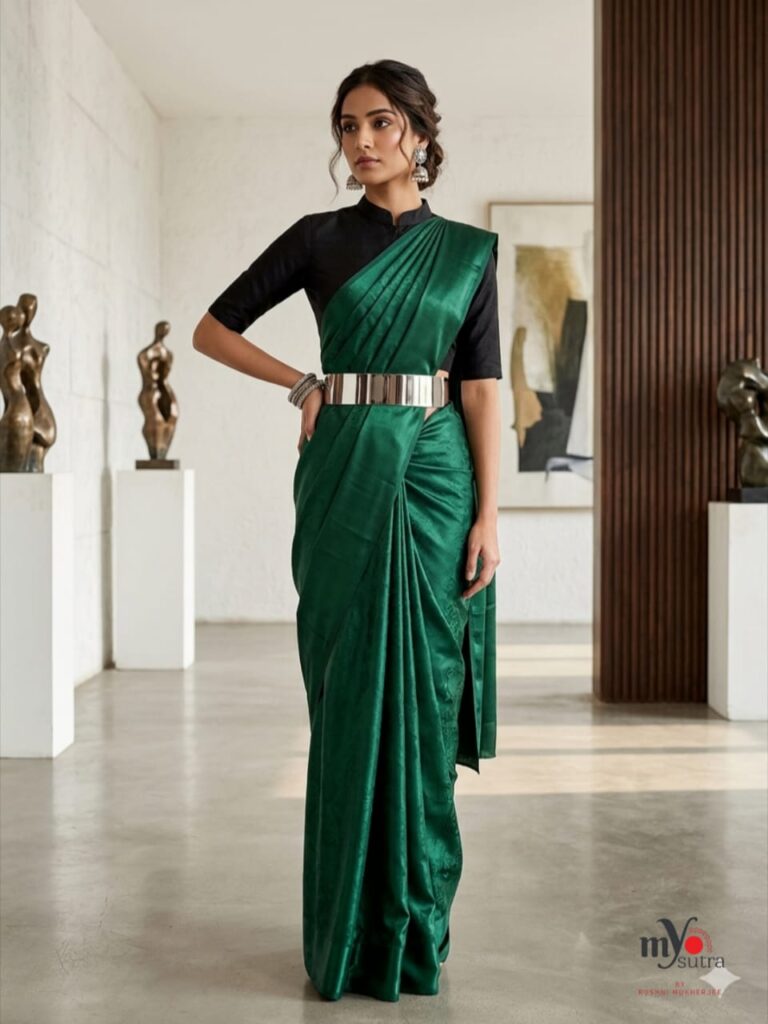
- Belted Saree Drape
Adding a waist belt to a traditionally draped saree brings a subtle modern edge. The belt secures the pleats, defines the waistline, and adds structure to the silhouette without disturbing the classic drape.
What makes the saree remarkable is not only its history, but its ability to remain alive through interpretation. Every region has shaped it differently, every generation has styled it in its own way.
A change in drape can alter the entire character of the garment—sometimes ceremonial, sometimes relaxed, sometimes quietly powerful.
These twelve styles are only a glimpse into that diversity. The saree, after all, was never meant to follow a single rule. It was meant to move with the wearer, adapting to culture, time, and imagination.
And perhaps that is why six yards of fabric have managed to stay relevant for centuries.